Heads-up: links to Amazon on this page are affiliate links. If you buy through them we may earn a commission, at no extra cost to you. How we make money.
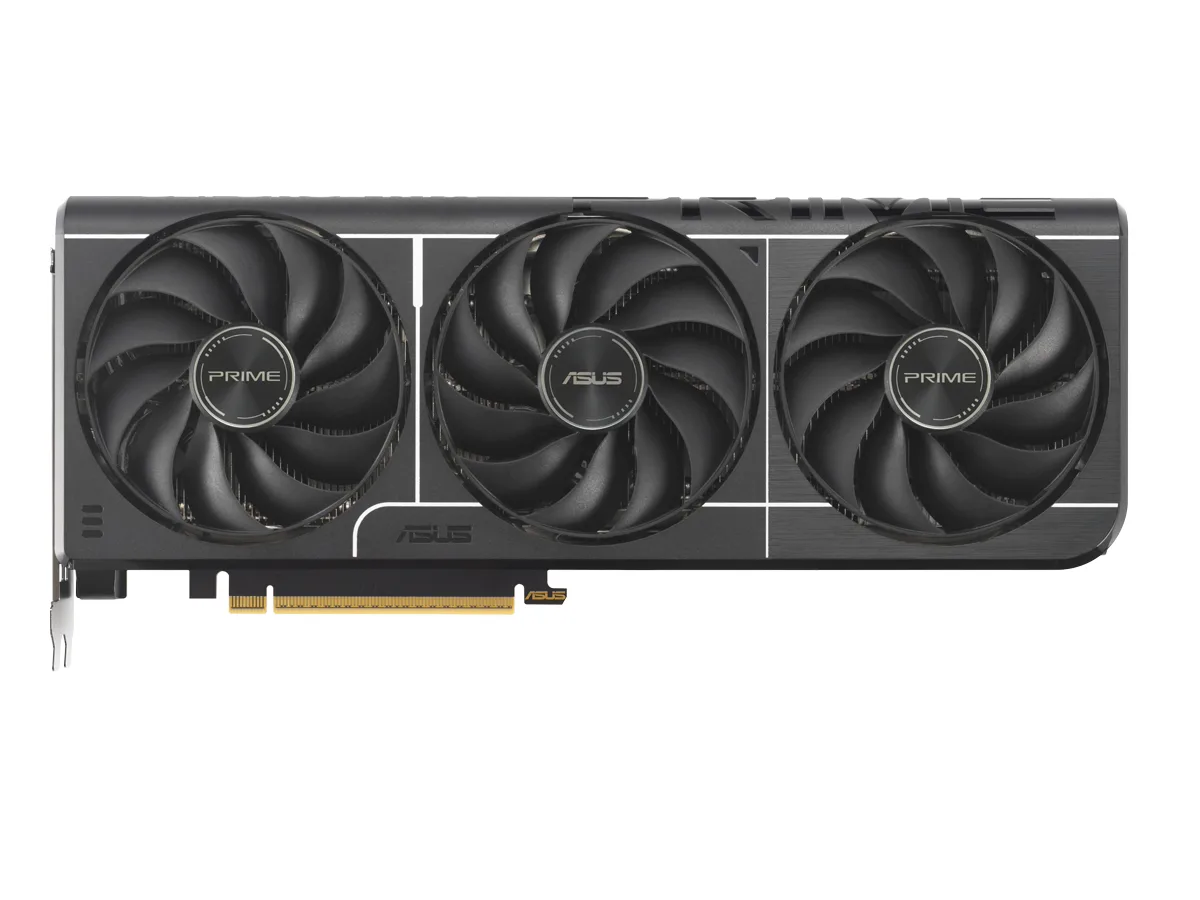
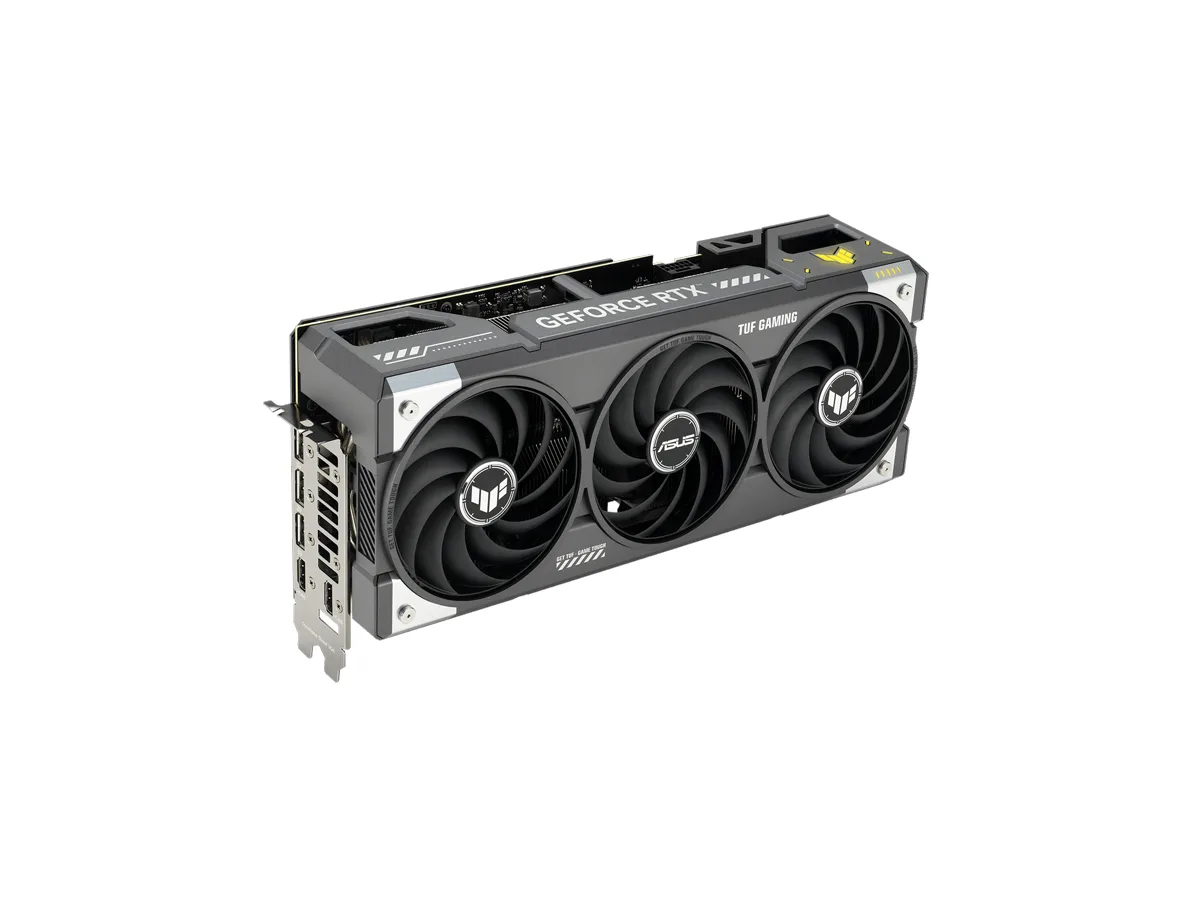
In gaming reviews the RTX 5070 beats the RTX 5060 Ti. For AI at home it’s usually the other way round, and the reason is one number: the 5060 Ti can be bought with 16 GB of memory, while the 5070 only comes with 12 GB.
Side by side
RTX 5060 Ti 16 GB
RTX 5070
Memory (VRAM)
16 GB GDDR7
12 GB GDDR7
Memory bus
128-bit
192-bit
Memory bandwidth
448 GB/s
672 GB/s
Card power (NVIDIA)
180 W
250 W
Recommended power supply
600 W
650 W
Largest Qwen3 that fits with room
14B (9.3 GB)
8B (5.2 GB); 14B is tight
FLUX.1 [dev] FP8 (12.33 GB file)
Fits
Main file alone is bigger than the card
What the numbers mean in practice
The 5070 is faster at what fits on both. It reads its memory about 50% faster (672 vs 448 GB/s), so with an 8B chat model, words come out quicker. If you only ever run small models, it’s the better card.
The 5060 Ti 16 GB runs more. Those extra 4 GB are the difference between a 14B model with room for a long conversation and a 14B model squeezed in; between FLUX in its FP8 version loading or not. Once a model spills out of the card into system memory, the speed advantage of the 5070 disappears — the spill costs far more than the 5070 gains.
We know the squeeze from our own 12 GB card: SDXL only behaves with a memory-saving setting, and two AI jobs can’t share the card (field notes).