Heads-up: links to Amazon on this page are affiliate links. If you buy through them we may earn a commission, at no extra cost to you. How we make money.
The power supply is the part people save money on and regret. The simplest honest way to size one: start from the number the graphics card maker publishes, and don’t go below it.
Step 1: NVIDIA’s required system power
NVIDIA publishes, for each card, the total power supply it asks for in a typical system:
Graphics card
Card power
NVIDIA’s required system power
RTX 5060
145 W
550 W
RTX 5060 Ti
180 W
600 W
RTX 5070
250 W
650 W
RTX 5070 Ti
300 W
750 W
RTX 5080
360 W
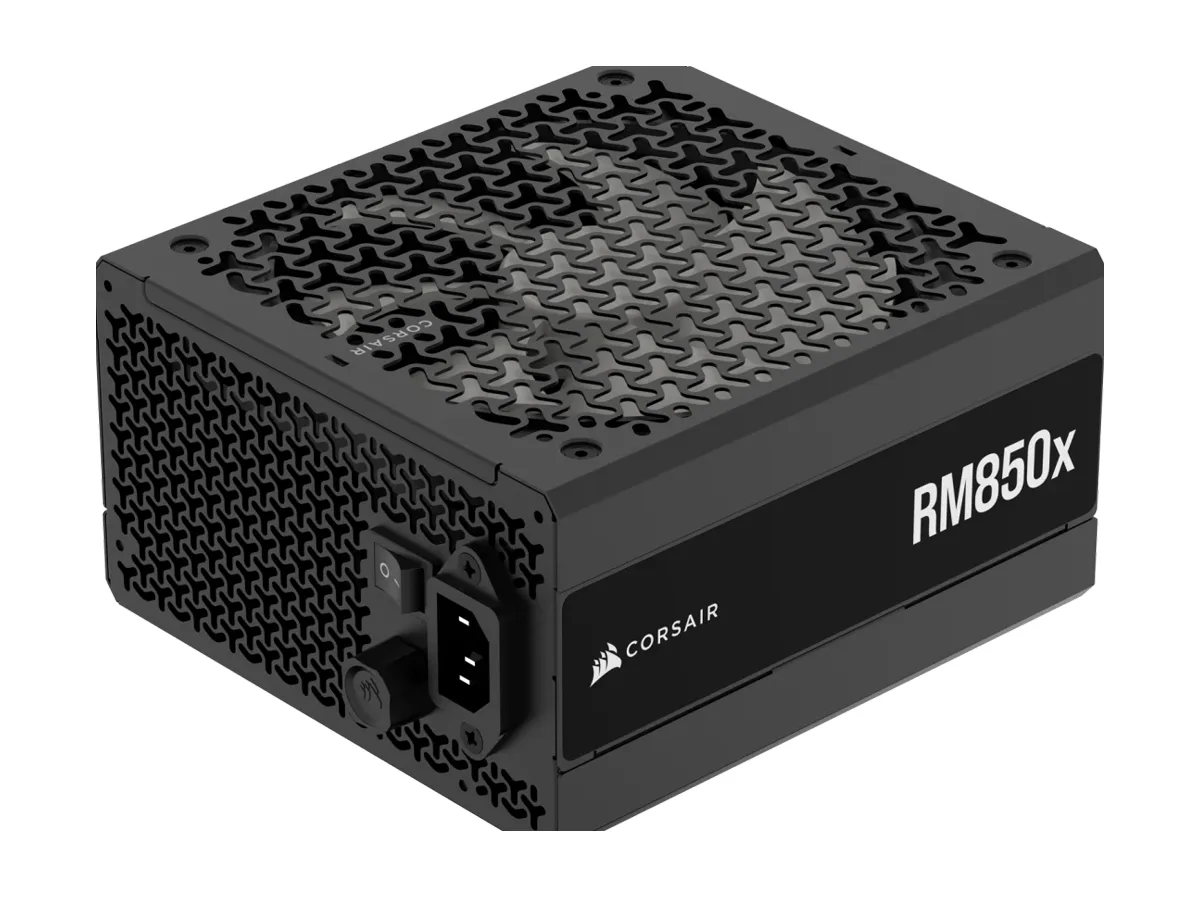
850 W
RTX 5090
575 W
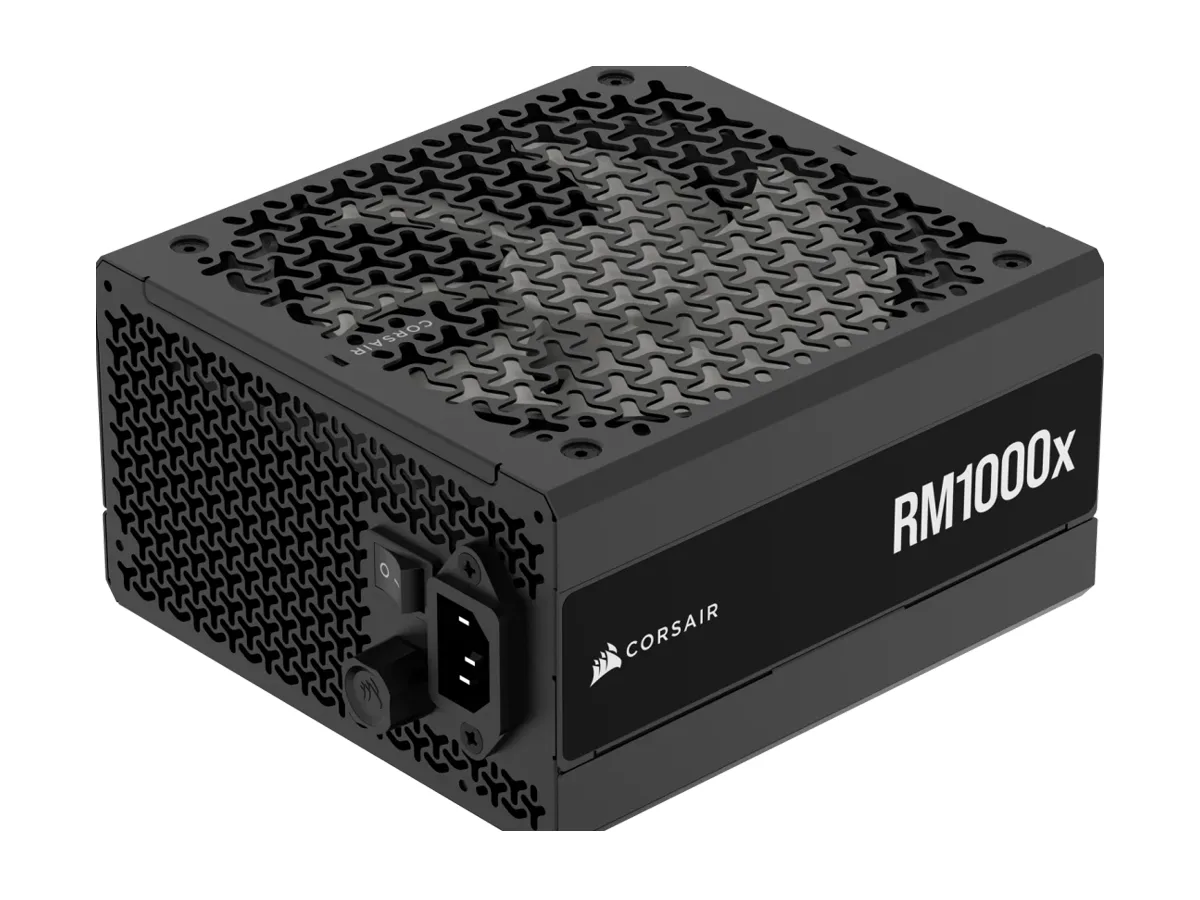
1,000 W
If you’re pairing a card with a high-power processor — a Core Ultra 7 265K is rated up to 250 W of turbo power — it’s sensible to go one size up from NVIDIA’s figure.
Step 2: the standard and the connector
ATX 3.1 is the current power supply standard, designed around the short power spikes modern graphics cards produce.
12V-2x6 is the 16-pin connector used by higher-end RTX 50 cards. A power supply with a native 12V-2x6 cable avoids adapters.
Efficiency ratings (80 PLUS or Cybenetics Gold, Platinum…) tell you how much power is lost as heat. Gold is a sensible floor.
The picks
At a glance — maker specs; tap a name for the full pick