Heads-up: links to Amazon on this page are affiliate links. If you buy through them we may earn a commission, at no extra cost to you. How we make money.
Choosing a processor is really choosing three things: how many cores you need, how much cache helps what you do, and which platform — motherboard socket and memory — you’re committing to for the next few years.
Quick answer
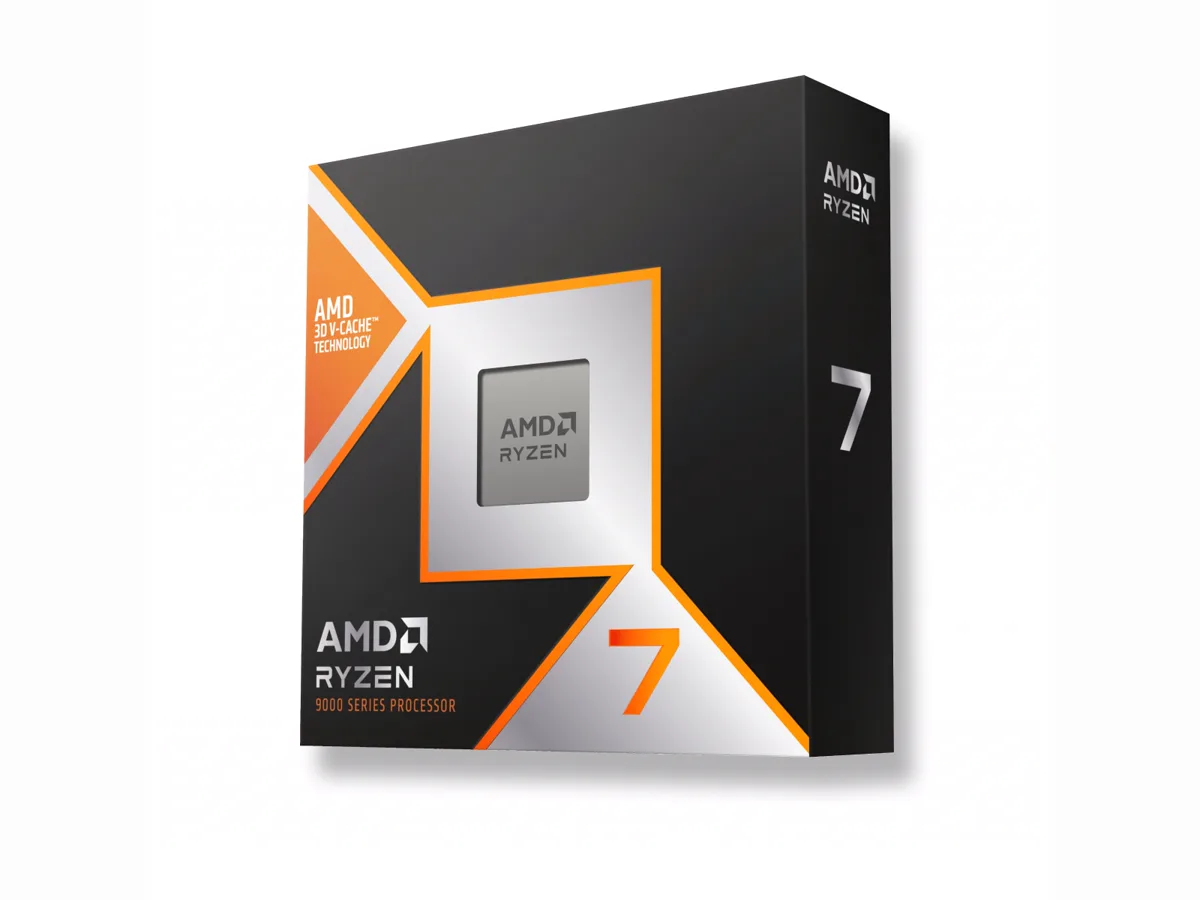
Mostly gaming: Ryzen 7 9800X3D.
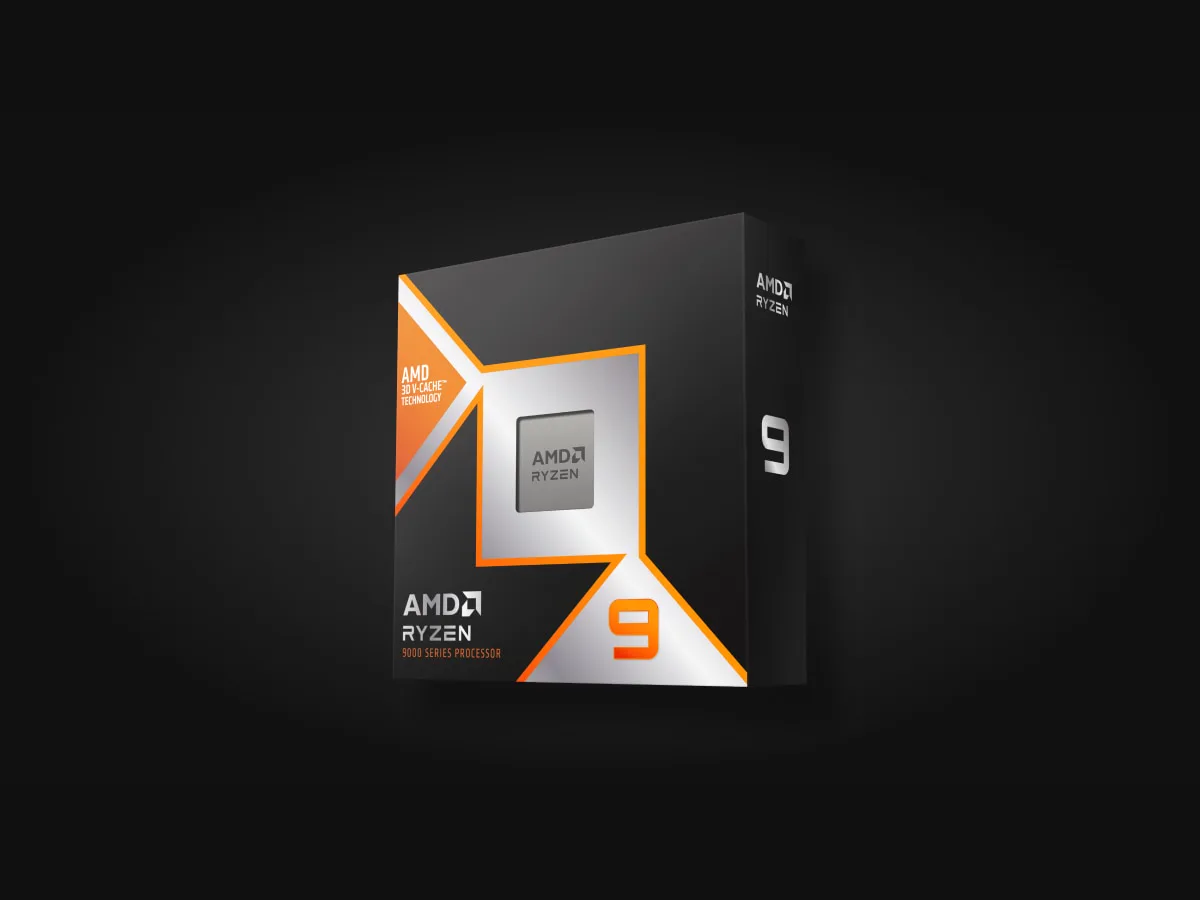
Heavy work (video, code builds, 3D) and gaming: Ryzen 9 9950X3D.
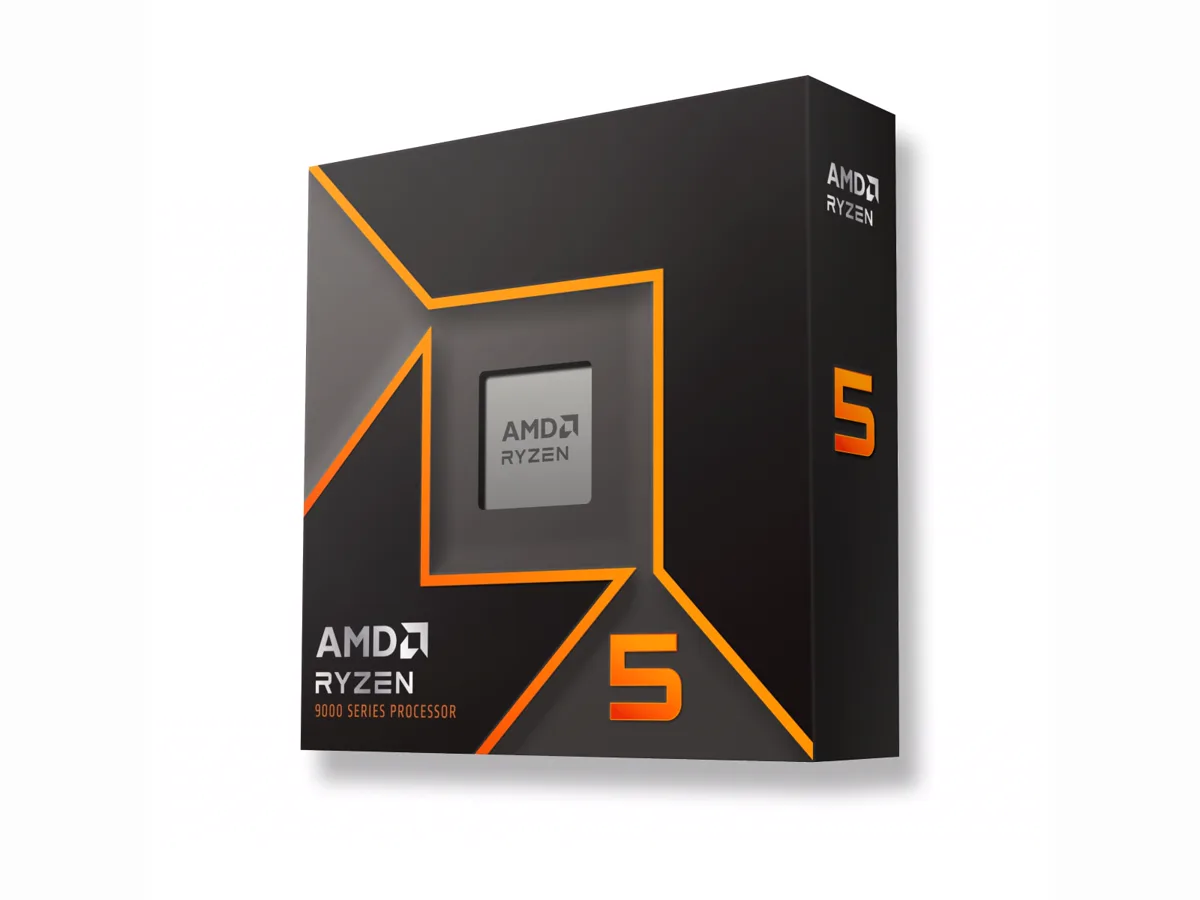
Tight budget, everyday use and lighter gaming: Ryzen 5 9600X.
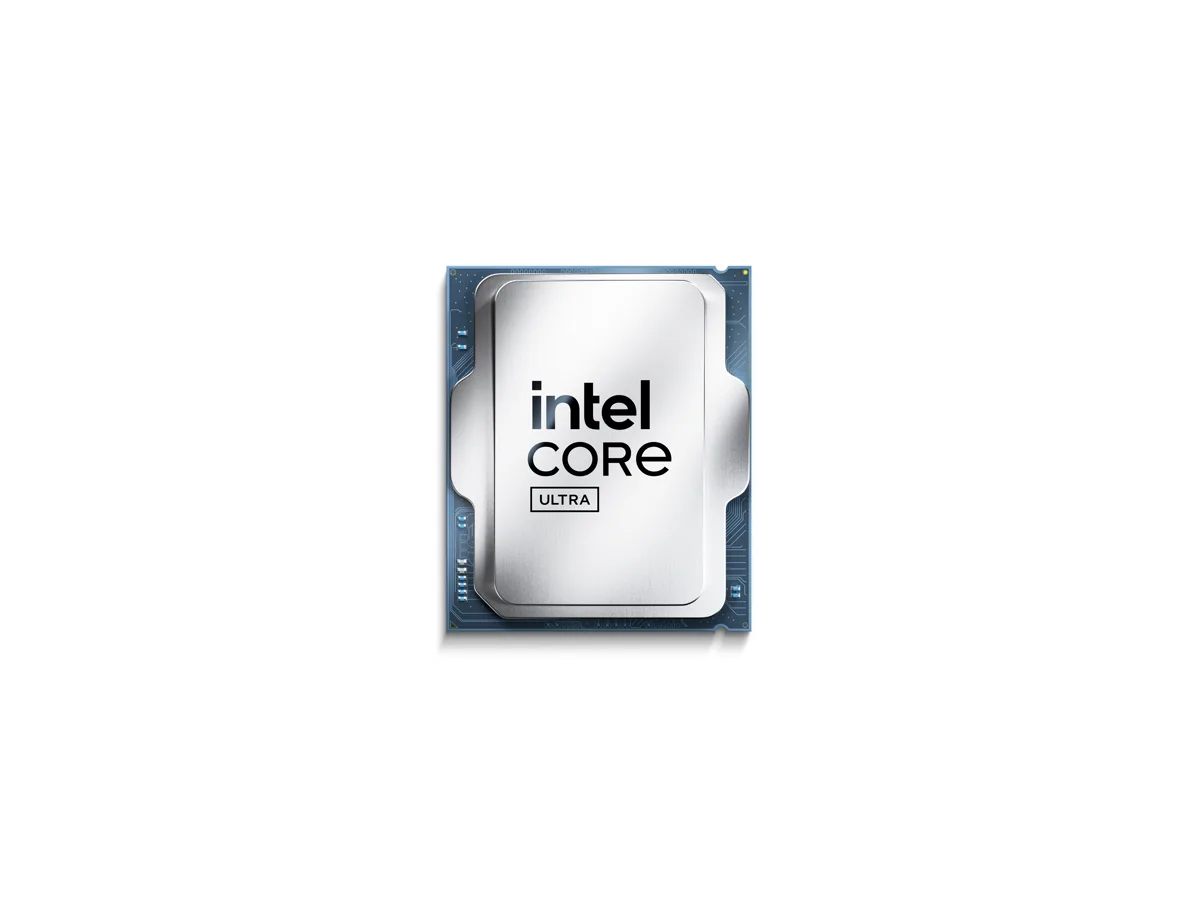
Multi-core work on Intel’s platform: Core Ultra 7 265K.
What actually separates these chips
Cores and threads matter for work that splits into many pieces: video export, compiling code, 3D rendering. Games use fewer.
Cache is fast memory on the chip itself. AMD’s “X3D” processors stack extra cache on top (3D V-Cache) — 96 MB of L3 on the 9800X3D against 32 MB on the 9600X — and AMD aims these chips at gaming.
Platform. All three AMD chips use socket AM5; the Intel chip uses LGA 1851. The motherboard you buy only takes chips for its socket, so this choice outlives the processor.
The picks
At a glance — maker specs; tap a name for the full pick
Why: 8 cores is plenty for games, and the 96 MB of cache is the feature AMD built this chip around.
The catch: for long multi-core jobs, 8 cores is half of what the 9950X3D offers. AMD recommends a liquid cooler for it, and there’s no cooler in the box.
Newer chips such as the Ryzen 7 9850X3D and Core Ultra 7 270K Plus have appeared on Amazon. We’ll add them once we’ve checked their official specs; we don’t recommend chips from listings alone.